Au Pair Success Tips for Host Families
Finding the right au pair and building a successful, lasting relationship takes careful planning and proactive communication. GreatAuPair USA is one of a select few agencies designated by the U.S. Department of State to operate the J-1 Au Pair Program, and we recruit and screen every au pair in-house so each candidate meets our standards before you ever see a profile. Here are the top 10 tips to help your family choose the right au pair and enjoy a rewarding cultural-exchange year together: Au Pair Meaning | Au Pair Costs | Au Pair Program | Au Pair vs. Nanny | Au Pair Interview Questions | Au Pairs for Hire | Find Au Pair Jobs 1. Clearly Define Your Needs: Before you begin your search, write down your family's specific needs, your schedule, your children's ages and interests, and the qualities you value most in a caregiver. Consider desired skills, language proficiency, cultural fit, and the exact childcare responsibilities you will ask your au pair to cover – up to 45 hours of childcare per week, and no more than 10 hours in any single day. Being precise up front helps you screen candidates efficiently and set expectations that match reality. 2. Choose a Reputable Au Pair Agency: Partnering with a reputable, government-designated agency such as GreatAuPair USA gives you access to pre-screened, qualified au pairs, background checks, references, photos, and introduction videos through our FastMatch system. Founded in 2001 by working parents, GreatAuPair offers direct communication so you can interview candidates yourself, plus ongoing local support from a Local Childcare Coordinator throughout the year. Research agencies, read reviews, and choose one with a proven record of successful, well-supported placements.
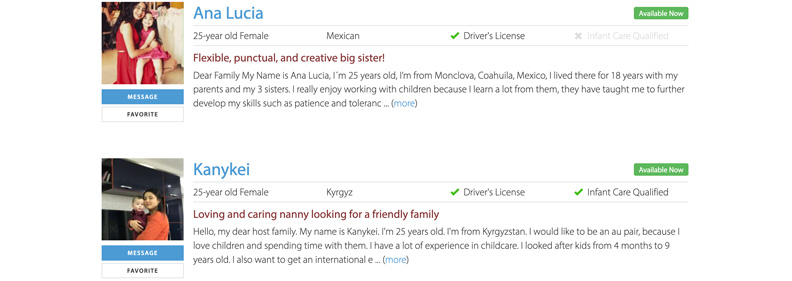
3. Thoroughly Review Au Pair Profiles: Take the time to read each au pair's full profile – verified childcare experience, qualifications, references, and personal preferences – and watch their introduction video. Look for candidates whose values, interests, and skills align with your family. If your child is under two, confirm the au pair has documented infant experience; GreatAuPair USA infant-qualified au pairs bring at least 600 hours caring for children under age two.
4. Conduct Comprehensive Interviews: Interview your top candidates by video call – no subscription is required to contact au pairs on GreatAuPair USA. Ask specific questions about their childcare experience, how they handle discipline and daily routines, their ability to adapt to a new environment, and their communication skills. Attitude matters as much as skill: you can train for tasks, but you cannot train for warmth and reliability, so trust what you observe in these conversations. 5. Discuss Expectations and Responsibilities: Clearly communicate your house rules, working hours, and the specific childcare duties you expect the au pair to fulfill. Remember that au pair duties are limited to childcare and light tasks related to the children – an au pair is not a housekeeper. Put the weekly schedule, days off, and any driving or school pickups in writing so nothing is left to assumption. Once you have chosen your au pair, remind them that caring for a child is an act of responsibility, and that you will support them every step of the way.
6. Cultural Exchange and Language Learning: Cultural exchange is at the heart of the J-1 program, so treat it as a two-way street. Encourage your au pair to share their language, food, and traditions with your children, and invite them into your family's culture in return. Support their required educational component – host families contribute up to $500 toward accredited coursework – and plan simple cultural activities you can enjoy together. 7. Provide Support and Guidance: Make your au pair feel welcome the moment they arrive. Help them navigate the local area, show them public transit and nearby amenities, and introduce them to other au pairs in the community. Your Local Childcare Coordinator organizes monthly activities and is available to help, and GreatAuPair provides 24/7 support for both you and your au pair, so no one has to solve a problem alone. 8. Establish Open and Regular Communication: Build a habit of open, regular communication. Encourage your au pair to raise concerns, questions, or suggestions early, and be proactive in addressing issues before they grow. A short daily check-in – often at dinner – keeps small misunderstandings from becoming big ones. Your LCC also checks in each month, which gives both sides a natural moment to talk things through and, if needed, to mediate. 9. Respect and Appreciate Cultural Differences: Recognize that your au pair is adjusting to an unfamiliar country, language, and household all at once. Respect the cultural differences between your family and theirs, and invite open dialogue about customs, traditions, and practices. A little patience and encouragement during the adjustment period goes a long way toward mutual understanding and genuine appreciation. 10. Create a Positive Living Environment: Provide your au pair with a private, well-equipped bedroom and access to shared amenities such as the kitchen, bathroom, and laundry, along with three meals a day. Ensure they receive at least 1.5 days off each week, one full weekend off each calendar month, and two weeks of paid vacation. Finally, give them opportunities to feel like part of the family – invite them to join in on meals, outings, holidays, and family activities whenever possible. By following these top 10 pro tips, host parents can increase the likelihood of finding the perfect au pair match and building a successful, harmonious relationship for the full 12-month program term. Remember, clear communication, mutual respect, and ongoing support are the key factors in a positive, fulfilling au pair experience for both the family and the au pair. 10 More Au Pair Success Tips for Host Families
Hiring an au pair can be a transformative experience for host families. It provides personalized, live-in childcare along with an enriching cultural exchange. However, for the au pair program to succeed, there are essential strategies host families should follow. In this guide, we'll explore ten more au pair success tips to help ensure a harmonious and fulfilling partnership with your au pair. 1. Understand the Role of an Au PairThe Basics of an Au Pair. Before your au pair arrives, it's crucial to understand what an au pair is. Au pairs are young people, typically between 18 and 26 years old, who come from other countries to live with a host family and provide childcare in exchange for room, board, and a weekly stipend. They aim to improve their language skills, immerse themselves in American culture, and become a temporary member of your family – not a household servant or professional nanny. 2. Establish Clear CommunicationOpen and Honest Communication. Effective communication is the foundation of a successful au pair experience. Make sure both you and your au pair feel comfortable discussing expectations, concerns, and daily routines. Open, respectful, and honest dialogue is the single best tool for resolving challenges – nine times out of ten, a situation that feels difficult can be worked out through a calm, loving conversation. 3. Set Realistic ExpectationsUnderstanding the Role. Host families should set realistic expectations about what an au pair can and cannot do. Au pairs provide invaluable, individualized childcare, but they are cultural-exchange participants, not career nannies. They may provide up to 45 hours of childcare per week and no more than 10 hours in any single day, and their duties are limited to childcare and light tasks related to the children. Keeping the role clear protects both your family and your au pair. 4. Plan Weekly SchedulesCreate a Structured Schedule. A well-structured weekly schedule is essential. Discuss working hours and time off in advance, and be sure to build in at least 1.5 days off each week, one full weekend off per month, and time for your au pair's required coursework. A clear schedule helps both of you plan effectively, balancing childcare duties, school, and free time so everyone knows what to expect. 5. Cultural Exchange: Embrace Differences
Celebrate Cultural Exchange. Cultural exchange is one of the most enriching aspects of the au pair program. Embrace the chance to learn about your au pair's home country, traditions, and language, and make them feel comfortable sharing it with your children. In return, share American culture and everyday family life with them. This exchange is exactly what the J-1 program is designed to foster. 6. Welcome Your Au Pair as a Family MemberTreat Them as Family. To create a successful experience, treat your au pair as a member of the family. Include them in meals, gatherings, holidays, and traditions whenever possible – even on their days off, if they'd like to join. This inclusion fosters a genuine sense of belonging and deepens the cultural exchange for everyone in your home. 7. Meals and Language: Key ComponentsMeal Times and Language Learning. Use meal times as opportunities for cultural exchange and language learning. Cook and enjoy a dish from your au pair's home country together, and encourage conversation in English around the table. Remember that room and board – a private bedroom and three meals a day – are part of what you provide, and shared meals are one of the easiest ways to make your au pair feel at home while helping them improve their English. 8. Host Family's Private Life: Respect BoundariesRespect Each Other's Privacy. While your au pair is part of your family, healthy boundaries matter on both sides. Talk openly about private time and space – yours and theirs. Your au pair should have a private bedroom of their own, and your family should feel comfortable enjoying quiet, off-duty time together. Clear boundaries prevent friction and help everyone recharge. 9. Embrace the First Week: Make it MemorableFirst Week in Your Home. The first week sets the tone for the rest of your au pair's stay, so make it memorable. Show them around the house and neighborhood, introduce them to your children gradually, and plan a few relaxed activities to help them feel comfortable and integrated into your routines. A warm welcome builds trust that pays off all year long. 10. Stay Positive and FlexibleStay Positive and Flexible. Welcoming a new person into your home requires flexibility and a positive attitude. Be understanding on hard days, and remember that cultural differences and language barriers can occasionally create bumps. Emergencies and unexpected changes happen; a calm, adaptable response keeps the relationship strong. Stay focused on the long-term rewards of the cultural exchange. A World of PossibilitiesHiring an au pair opens up a world of possibilities for your family. It provides childcare with a personal touch, enriches your family's life with cultural exchange, and creates a lasting sense of global connection. By following these au pair success tips for host parents, you can make the most of your au pair program and create a harmonious, rewarding experience for both your children and your au pair. The key to success lies in open communication, realistic expectations, and a welcoming, positive attitude as your au pair becomes a valued part of your family. Unlocking Success: The Art of Finding the Perfect Au Pair and Building a Strong Relationship
Finding the ideal au pair and building a thriving, harmonious relationship is an art that rewards careful consideration and proactive communication. It's not simply a matter of hiring a childcare provider; for most au pairs, it's about being welcomed as a new member of your family. To achieve that, here are the key steps to follow: 1. Understanding the Au Pair ProgramBefore you begin your search, take time to understand how the au pair program works. Administered under the U.S. Department of State's J-1 Exchange Visitor Program, it allows young people from around the world to live with host families and provide childcare in exchange for cultural immersion, room, board, and a weekly stipend. It is a genuine two-way cultural exchange, and understanding that dynamic is the first step toward a successful match. 2. Setting Clear Expectations
One of the most important parts of finding the right au pair is setting clear expectations from the start. Spell out childcare responsibilities, daily routines, working hours, days off, and any light tasks related to the children. Be specific and put it in writing. This clarity reassures your au pair that they've joined a family they can trust, and it lays the groundwork for a successful partnership. 3. Communication is KeyGood communication is the foundation of any successful relationship, and this applies to your relationship with your au pair as well. Open, respectful communication prevents misunderstandings and builds trust. Check in with your au pair regularly, ask about their experiences, and share your own thoughts and expectations. Encourage them to speak up, and be sure to actively listen. If something isn't going as hoped, address it early and kindly. 4. First Week MattersThe first week is crucial for setting the tone of your relationship. During this period, make a real effort to welcome your au pair and help them acclimate to your family's routines. Show them around the house, introduce them to your children, and help them feel at home. A warm, patient welcome goes a long way toward building a strong foundation for the year ahead. 5. Establish a RoutineA well-structured daily routine creates stability for both your au pair and your children. Set clear schedules for meals, playtime, educational activities, and bedtime, and make sure the plan respects your au pair's working hours and time off. A consistent routine ensures everyone knows what to expect, reducing stress and fostering a reassuring sense of security. 6. Meals and Food PreferencesDiscuss food preferences, dietary restrictions, and cultural cuisine with your au pair. Since you provide three meals a day as part of room and board, understanding their tastes leads to a more enjoyable dining experience for everyone. Encourage sharing meals and recipes as part of the cultural exchange – it's one of the simplest and most memorable ways to connect. 7. Free Time and FunAllow your au pair genuine free time and encourage them to have fun and make friends. This is an essential part of their cultural immersion. Support their social interactions, hobbies, and participation in the monthly activities organized by your Local Childcare Coordinator. Time to recharge outside of childcare duties makes for a happier, more engaged au pair. 8. A Good Morning and a Good NightStart and end each day with a warm greeting and farewell. A simple "good morning" and "good night" can set a positive tone and make your au pair feel appreciated. It's a small gesture that goes a long way toward building a strong, respectful relationship. 9. Be FlexibleFlexibility is a two-way street. While it's important for your au pair to adapt to your family's routines, it's equally important for you to be flexible when needed. Emergencies, unexpected changes, and unforeseen situations will arise, and meeting them with understanding and adaptability keeps tensions low and trust high. 10. The Importance of Culture
Remember that the au pair program is, at its core, a cultural exchange. Embrace this by sharing your family's culture with your au pair and encouraging them to share their own. Attend cultural events, explore new traditions, and support their educational requirement so the exchange becomes a valuable experience for both sides. Successful host parents find the perfect au pair and build a strong relationship through a blend of clear expectations, effective communication, and a genuine appreciation for cultural exchange. By treating au pairs as a valued addition to your family, host parents create a nurturing environment that benefits not only their children but also their au pair. Enjoy this unique opportunity for cross-cultural learning – with the in-house screening, FastMatch tools, and year-round local support of GreatAuPair USA behind you, it can be an enriching experience for everyone involved. |
| Return to Help |
| Return to FAQs |