Au Pair Interview Questions: What to Ask Before You HireThe ten questions below cover the ground that decides an au pair match: legal eligibility, documented childcare experience, caregiving philosophy, homesickness and cultural adjustment, role expectations, communication and conflict, references, special skills, family integration, and long-term goals. Ask all ten in a video interview and you will learn far more than a résumé can tell you.
Hiring an au pair can be an excellent childcare solution for host families and their children, but the quality of your match depends heavily on the quality of the questions you ask. A structured interview is where you separate a candidate who looks good on paper from one who will genuinely thrive in your home for a full year. Below are the top 10 questions every host family should ask during an au pair interview, along with why each one matters and what a strong answer looks like. Ask them in your own words, listen for specifics rather than rehearsed lines, and take notes so you can compare candidates fairly afterward. 1. Are you legally eligible to work as an au pair in our country?Eligibility is the first thing to confirm, because everything else is moot if a candidate cannot legally join the program. For the U.S. J-1 Au Pair Program, an au pair must be 18 to 26 years old at the start of the program, a secondary-school graduate, proficient in spoken English, a non-smoker, and unmarried, with a clean criminal background and no history of concerning conduct. Verify their passport, their willingness to obtain a J-1 visa through a U.S. Department of State-designated sponsor such as GreatAuPair, and their ability to make a full 12-month commitment. If a candidate cannot meet these baseline requirements, there is no reason to continue. 2. What is your previous experience as an au pair or in childcare?Ask candidates to walk you through their hands-on childcare history, both informal and professional, including the ages of the children they have cared for and the length of each arrangement. GreatAuPair requires at least 600 documented hours of verifiable childcare experience, and au pairs matched with a family that has a child under age two must show they are infant-qualified. Push for concrete examples: how they managed a tantrum, a bedtime routine, or a sick child. Real stories reveal far more about capability and adaptability than a simple list of past jobs. 3. What are your childcare philosophies and techniques?Understanding a candidate’s approach to childcare is essential for gauging compatibility with your family’s values and parenting style. Describe your daily schedule, your expectations, how you handle discipline, and any educational goals you have for your children, then ask how the candidate would fit into that picture. Listen for whether their instincts align with yours on structure, screen time, independence, and correction. Small differences are normal and workable; fundamental mismatches in philosophy tend to surface as friction once the au pair moves in. 4. How do you handle homesickness or cultural adaptation challenges?Living in a foreign country is a genuine emotional adjustment, and homesickness is one of the most common reasons a placement wobbles in its first weeks. Ask candidates how they have coped with being away from home before and what support helps them settle in. A self-aware au pair who can name their own coping strategies and who commits to open communication will be far more resilient. Remember that your Local Childcare Coordinator, along with monthly au pair activities in your community, exists precisely to help au pairs adapt and build a local support network. 5. What are your expectations regarding your role as an au pair?Clarity here prevents most future conflicts. Au pairs on the J-1 program provide up to 45 hours of childcare per week and no more than 10 hours in a single day, receive at least 1.5 days off each week plus one full weekend off per month, and are entitled to two weeks of paid vacation. Crucially, an au pair is not a housekeeper: light duties must be child-related, such as tidying the children’s rooms, doing their laundry, and preparing their meals. Discuss working hours, mealtimes, and where they intend to eat, and confirm the candidate understands the difference between child-related tasks and general housework before you match. 6. How do you communicate and handle conflicts?Effective communication is the backbone of a successful year together. Ask about their communication style, how they raise concerns, and how they respond when a disagreement arises with a parent or a child. When expectations do not align, how will they work toward a resolution? Agree on a simple protocol upfront: raise issues early, talk them through directly, and involve your Local Childcare Coordinator if you need a neutral third party. Establishing that habit during the interview signals that honest, respectful dialogue is expected from day one. 7. Can you provide references from previous host families?References let you verify what a candidate tells you. GreatAuPair requires au pairs to supply non-family references, including childcare references, and our staff contacts and verifies each one during screening. Even so, speaking with a previous host family or employer yourself can reveal valuable detail about work ethic, reliability, and how the candidate handled everyday challenges. Ask specific questions when you call: Would you host this person again? How did they handle stress? What surprised you, good or bad? 8. Do you have any specific skills or certifications relevant to childcare?Ask about specialized skills or certifications such as CPR, first aid, swimming, tutoring, or a driver’s license. A driving license is not required but greatly widens the range of families a candidate can serve. If safety credentials matter to you, note that Premier au pairs complete American Red Cross Advanced Childcare Training along with Adult, Child, and Baby First Aid, CPR, and AED certification, and Specialized Care au pairs are trained to support children with special or medical needs. Matching the right skill set to your family’s real needs adds a meaningful layer of reassurance for your child’s safety and well-being. 9. How do you plan to immerse yourself in our family’s culture and routines?Cultural exchange runs in both directions, and a candidate’s eagerness to embrace your customs is a strong predictor of a harmonious placement. Ask how they hope to take part in family meals, outings, holidays, and traditions, and what they are most curious to learn about life in your home. The most successful au pairs treat the year as a genuine cultural adventure rather than simply a job, and they are just as excited to share their own language and traditions with your children as they are to learn yours. 10. What are your long-term goals and aspirations?Knowing a candidate’s longer-term goals helps you gauge their commitment to the role and to a full year with your family. Discuss their career and educational plans and how being an au pair fits into them. J-1 au pairs are required to complete at least six semester hours of coursework at an accredited U.S. institution during their year, with the host family contributing up to $500 toward that requirement, so ask how they intend to satisfy their education requirement and whether their plans align with your schedule. Some au pairs also choose to extend their program by 6, 9, or 12 months, which is worth exploring if you hope for continuity. Finding the right caregiver for your family takes preparation, and these ten questions give you a dependable framework for it. By asking them consistently across every candidate, you gain a clear, comparable picture of each au pair’s qualifications, experience, and fit with your household. Above all, keep the conversation open and honest in both directions. Mutual respect and candor during the interview lay the foundation for a successful, rewarding placement that gives your children excellent care and a rich cultural exchange. The Best Approach and Questions to Ask When Hiring an Au Pair
Hiring an au pair is a rewarding way to secure personalized childcare while opening your home to an enriching cultural exchange. Finding the right person, though, calls for careful preparation and thorough questioning. The rest of this guide walks through the full interview approach, from first conversation to final match, so you can move forward with confidence and set the partnership up to succeed. Understanding Au Pairs and the Au Pairing ExperienceAu Pair Basics. Before diving into the hiring process, it helps to be clear about what an au pair is. Au pairs are young people, typically 18 to 26 years old, who travel from another country to live with a host family and provide childcare in exchange for room, board, and a weekly stipend. On the J-1 program, that stipend adds up to more than $10,000 over the year. Most au pairs are motivated by the chance to improve their English, experience life in the United States, and become a temporary member of a new family, all while continuing their education. Host Family Expectations and PreparednessWhat to Expect as a Host Family. Realistic expectations are the key to a happy placement. An au pair is not a professional nanny; they are a caregiver who offers warm, individualized attention to your children within a cultural-exchange framework. Before you begin matching, think carefully about your family’s needs, your parenting style, and the role you want your au pair to play in your children’s daily lives so you can describe it clearly to candidates. Plan Ahead. Do the planning before the interviews, not after. Decide on your house rules, expected working hours, and the child-related chores you will ask for, and be ready to describe a typical day in your household. Sharing that picture openly with candidates helps them self-select, and it dramatically improves your odds of a good match. Families and au pairs on the J-1 program are required to hold at least two video interviews before agreeing to match, so plan to use that time well. Questions to Ask in the Au Pair Interview
The First Interview: Assessing CompatibilityThe first interview is your chance to assess overall compatibility and get a feel for the person behind the profile. Here are strong questions to open with:
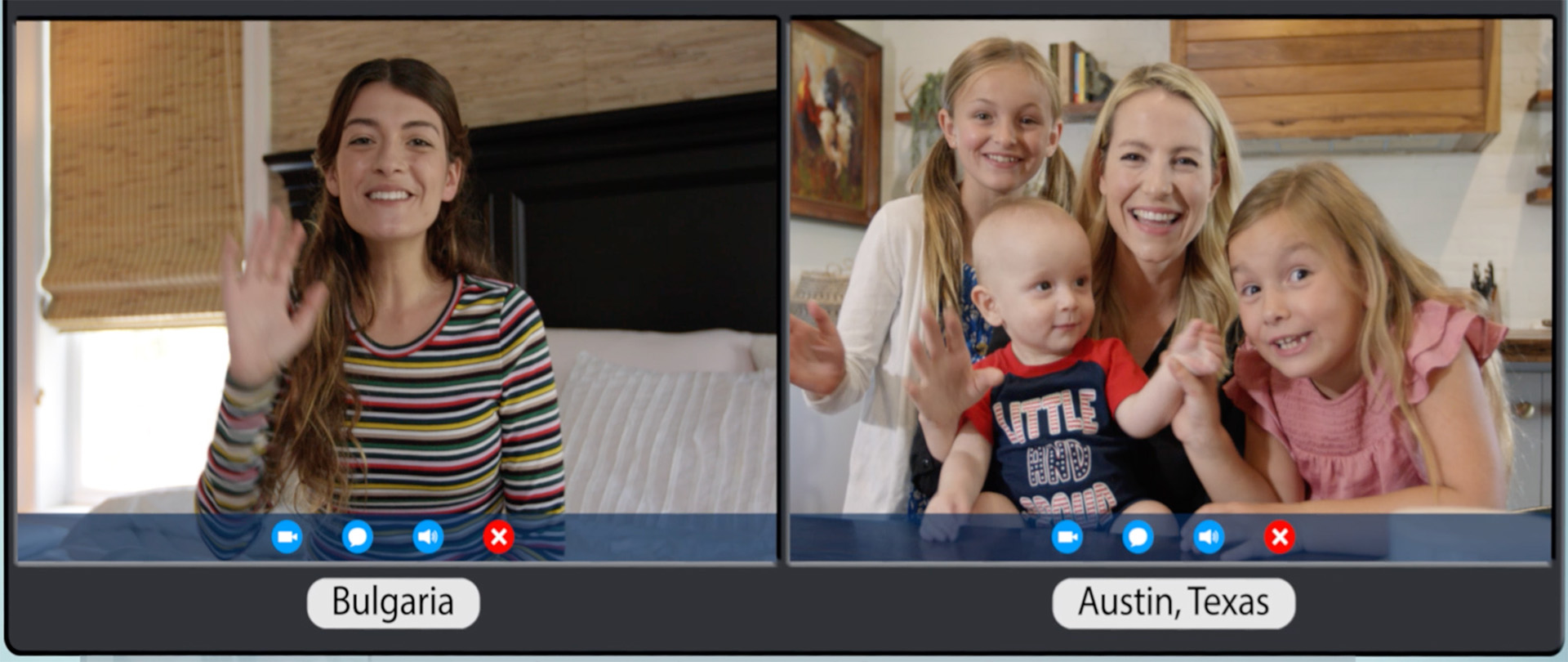
The Second Interview: Getting into the DetailsAfter a promising first conversation, use the required second interview to go deeper into the specifics that will shape daily life together: 1. What is your understanding of our family’s parenting style? Confirm they are aligned with your values and approaches. 2. What house rules should both our family and the au pair follow? Establish clear, mutual guidelines for harmonious cohabitation. 3. How much screen time do you think is appropriate for children? Compare expectations around technology use before there is any disagreement. 4. What are your thoughts on children’s extracurricular activities and education? Explore their views on supporting your children’s development. Video Call Interviews: A Closer Look Whenever possible, conduct your interviews by video so you can meet the candidate, and ideally the whole family, face to face. A short home tour and a chance to see how they interact on camera add a personal dimension that messaging cannot. During these calls, consider asking: 1. Do you smoke, or have you smoked in the past? J-1 au pairs must be non-smokers, so get an honest answer; this can be a deal breaker. 2. Do you have a partner back home? If so, will they be supportive of a full year abroad? 3. Have you and your partner talked about how you will manage the time apart? If a long-distance relationship is not addressed up front, it can contribute to homesickness later. 4. Would you want family, friends, or a partner to visit you while you are living in our home? Set expectations early about visitors. 5. Questions to ask if you have pets: Do you like animals? Are you allergic to any pets? This matters for daily comfort in a shared home. The Matching Process: Finding the Right FitThe Role of Au Pair Agencies. Because the U.S. J-1 Au Pair Program requires a Department of State-designated sponsor, most host families work with an agency to host an international au pair legally. GreatAuPair is one of the select agencies designated by the U.S. Department of State to operate the program. We recruit and screen every au pair in-house, so each candidate you see has already met our standards, and you interview candidates yourself and match directly, with a Program Advisor and a local Coordinator supporting you throughout. Similar Interests and Values. When choosing among candidates, weigh shared interests and values alongside qualifications. Common ground creates a more integrated, harmonious household. If your family loves the outdoors, for instance, an au pair who enjoys hiking and time outside will likely settle in more naturally than one who does not. The Importance of Childcare ExperienceAu Pair Candidate’s Experience with Children. Childcare experience is one of the most important factors to assess, which is why GreatAuPair requires at least 600 documented hours of verifiable experience before an au pair is approved. Ask about the ages of children a candidate has cared for and how they handled real responsibilities and difficult moments. If you have a child under two, confirm the candidate is infant-qualified. A candidate’s track record with children is one of the clearest sources of peace of mind for host parents. Department of State Regulations and Au Pair RequirementsThe Role of the U.S. State Department. The J-1 Au Pair Program is a cultural-exchange program regulated by the U.S. Department of State, and those regulations exist to keep the experience structured, safe, and beneficial for both au pairs and host families. As a host family, you will need to meet the program’s requirements, including passing a background investigation, providing character references, being interviewed in your home by a Local Childcare Coordinator, and living within one hour of that Coordinator. Working with a designated sponsor ensures every one of these steps is handled correctly. Au Pair House Rules and Integration into Family LifeHouse Rules and Integration. Clear house rules give both the host family and the au pair a shared understanding of what to expect. Cover the essentials such as curfews, privacy, use of shared spaces, and child-related chores. A well-defined framework, discussed openly before arrival and revisited during your Coordinator-facilitated orientation, makes it far easier for the au pair to integrate smoothly into family life. Cultural Exchange and Language ClassesCultural Exchange Benefits. Cultural exchange is at the heart of the au pair program and one of the biggest reasons families choose it. Encourage your au pair to share their traditions, language, and customs, and welcome them into your social circle. This two-way immersion enriches your children’s worldview just as much as it broadens the au pair’s. Language Classes and Cultural Immersion. If language learning is a goal, talk about how you can support it. An au pair who speaks a second language can help your children learn it, while everyday life with your family helps the au pair strengthen their English. A thoughtful, structured approach to language exposure benefits everyone in the household. Childcare Experience and Light HouseworkChildcare Responsibilities. An au pair’s primary responsibility is childcare, so spell out what that includes for your family. Typical duties are helping with homework, planning and supervising playtime, driving children to activities when appropriate, and preparing the children’s meals. Make sure your au pair understands these responsibilities clearly before the placement begins. Household Chores and Light Housework. Beyond direct childcare, au pairs may help with light housework related to the children, such as the children’s laundry and tidying their rooms. They are not general housekeepers, and program rules prohibit assigning them the family’s cleaning. Be specific about what child-related tasks you expect so there are no misunderstandings. Room and Board: Accommodating Your Au PairAccommodation for Your Au Pair. Host families are required to provide room and board, which means a private bedroom for the au pair, access to common areas, and three meals a day. A comfortable, private living space is essential to your au pair’s well-being and a basic requirement of the program. Weekly Au Pair Stipend and Work HoursUnderstanding the Au Pair Stipend. Host families pay their au pair a weekly stipend set under the Fair Labor Standards Act. The minimum depends on the program tier: $195.75 per week for a Signature au pair, $250 for a Premier au pair, and $300 for a Specialized Care au pair. If your state or local minimum wage works out to a higher amount, that higher rate applies. Discuss the stipend and payment schedule with your candidate so expectations are clear from the outset. Work Hours and Schedule. Au pairs provide up to 45 hours of childcare per week and no more than 10 hours in a single day, spread across five and a half days, with at least one and a half days off each week and one full weekend off every month. Define your typical weekly schedule, including any evening or weekend responsibilities, so both sides can plan their time effectively and avoid burnout. Family Life and Mealtime ExpectationsFamily Life Integration. Program rules ask host families to include the au pair in family life whenever possible. Invite them to family outings, celebrations, and traditions. This inclusion enriches the au pair’s experience and fosters a real sense of belonging, which in turn tends to produce more engaged, dependable care for your children. Meals and Dietary Preferences. Talk through your family’s eating habits and dietary preferences, and ask about the au pair’s. Since you provide three meals a day, make sure they are comfortable with the food in your home and that you can accommodate any specific dietary needs on either side. Health and Safety: Addressing Concerns
Health and Safety Considerations. Make sure your au pair understands your family’s health and safety practices from the start. Walk them through any allergies or medical conditions your children have and your emergency procedures. Every GreatAuPair au pair passes a medical exam during screening, and Premier au pairs arrive with first aid and CPR certification, but clear communication about your specific household is still what keeps everyone prepared if an issue arises. Travel and Time OffTravel Opportunities. Many host families encourage their au pair to explore the country during time off, and au pairs also have a 30-day travel period after their program ends. Talk about how their travel plans fit with your family’s schedule, and coordinate any bigger trips well in advance so childcare coverage is never left uncertain. Free Time and Personal Space. Everyone needs downtime. Clarify how much free time and personal space the au pair can expect within your home, and honor their guaranteed days off and monthly free weekend. A healthy work-life balance keeps your au pair happy and, ultimately, keeps the placement strong. Screen Time and Electronic Device Usage
Screen Time Policies. Set a screen time policy that reflects your family’s values and share it with candidates during the interview. Be clear about both how much screen time your children may have and how you expect the au pair to manage their own phone use during working hours, so that care time stays focused on your children. Whooping Cough Vaccination and Health RequirementsHealth-Related Requirements. Discuss your au pair candidate’s health status and any vaccinations you consider important, such as the whooping cough (pertussis) vaccine, which many families require for anyone caring for young children. Every au pair completes a medical evaluation during screening, and confirming that health requirements are met adds one more layer of protection for your child. Conclusion: Finding the Perfect Au Pair MatchHiring an au pair is a significant decision, and it rewards the families who prepare for it. By understanding how the J-1 program works, setting clear expectations, and asking focused, consistent questions throughout the interview process, you give yourself the best possible chance of finding the right person for your family’s needs. Keep communication honest and mutual respect front and center from the first video call onward, and you will build the kind of harmonious, trusting environment where your children, your au pair, and your whole family can thrive. When you are ready, browse screened candidates and start your search with GreatAuPair. Related au pair guides: Au Pair Meaning | Au Pair Costs | Au Pair Program | Au Pair vs. Nanny | Au Pair Success Tips | Au Pairs for Hire | Find Au Pair Jobs
|
| Return to Help |
| Return to FAQs |